Glaciers as “Frozen Reservoirs” for Humanity
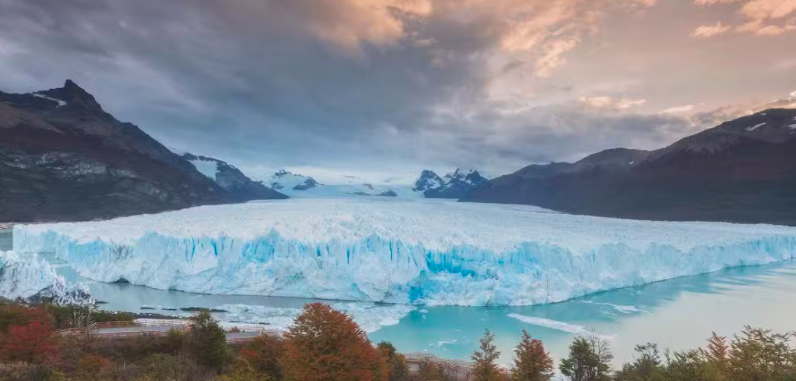
Glaciers have long been described by scientists as “nature’s freshwater banks.” From the Himalayas to the Andes and the Alps, they feed the world’s major rivers, supporting agricultural systems, wildlife habitats, and urban populations.
“Glaciers are not simply features of the landscape; they are vital reservoirs ensuring water flows throughout the dry seasons, especially in regions like Central Asia, South America, and East Africa. Their loss puts billions at direct risk of water stress.”
Melting at an Alarming Rate
Satellite data from the World Glacier Monitoring Service (WGMS) show that glaciers have lost more than 9,600 billion tons of ice since 1961, with annual loss rates nearly doubling in the last two decades. Current projections estimate that up to 40% of existing glacier mass could be lost by 2100 if emissions continue at the current pace.
A recent study published in Nature Climate Change underscored the urgency, projecting that even under moderate emissions scenarios, iconic glaciers like those in the Alps, Rockies, and Andes could shrink by more than half within the next 75 years.
Regional Impacts and Risks
Asia’s Water Towers Under Threat
The Himalayas, often called the “Third Pole,” supply freshwater to more than 1.3 billion people across China, India, Nepal, and Bangladesh. Melting glaciers here are affecting the Indus, Ganges, and Brahmaputra river basins — with far-reaching consequences for food security, health, and economic stability.
“Without urgent action, South Asia could face a perfect storm of water shortages and food crises,” warned Ms. Amina J. Mohammed, UN Deputy Secretary-General.
Andean and Alpine Regions Also at Risk
In South America, glacier-fed rivers sustain agriculture and energy production in countries like Peru, Bolivia, and Chile. In Europe, the receding ice caps threaten drinking water supplies and biodiversity in the Alps and Pyrenees.
Calls for Action and Policy Solutions
UN Pushes for Global Funding and Policy Coordination
At the conference, the UN unveiled a draft framework calling for:
Increased international funding for glacier monitoring and climate adaptation projects
The development of early-warning systems to anticipate glacier-related disasters
Stronger commitments under the Paris Agreement to curb global emissions
Notably, a proposed Global Glacier Preservation Fund aims to mobilize at least $2 billion over the next five years, targeting the most at-risk regions.
Integrating Local Knowledge and Community Participation
UNESCO and the International Centre for Integrated Mountain Development (ICIMOD) highlighted the importance of engaging local communities in glacier monitoring and water resource management. Indigenous knowledge, delegates noted, is crucial for understanding shifting patterns and building resilience.
Scientific Innovations and International Collaboration
International research teams are deploying advanced technologies — including satellite imaging, drone surveys, and automated weather stations — to closely track glacier health and forecast risks. The event highlighted the success of the ongoing “Ice Memory” initiative, which stores ice samples from endangered glaciers for future research and climate modeling.
What’s at Stake for Global Water Security?
Critical Importance for Sustainable Development
Glacier preservation intersects directly with efforts to achieve the UN’s Sustainable Development Goals, including clean water and sanitation (SDG 6), climate action (SDG 13), and the protection of life on land (SDG 15).
Failure to protect glaciers could mean acute water shortages, more frequent disasters like floods and landslides, and major setbacks for poverty reduction.