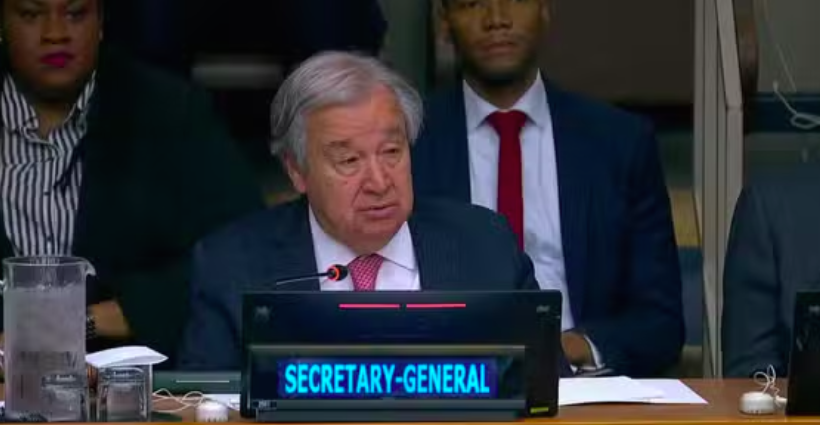
The Secretary-General’s remarks come amid continuing debates about the underrepresentation of African nations in global governance institutions, ongoing economic disparities, and the lingering impact of colonialism and racial discrimination. Guterres pointedly addressed these issues, stating, “Africa is still largely sidelined in decisions that affect its people and future. This is not just a failure of representation—it is a denial of justice that can no longer be ignored.”
Guterres argued that despite Africa’s burgeoning youth population, rich natural resources, and cultural dynamism, systemic barriers continue to block progress for millions across the continent. He emphasized the importance of giving African nations more weight in international decision-making, particularly within bodies like the UN Security Council, the World Bank, and the International Monetary Fund.
The Case for Structural Reform
Calls for Security Council Reform
One of the Secretary-General’s key demands was restructuring the UN Security Council to grant African countries permanent seats and greater influence. “No reform of multilateral institutions can be complete without a meaningful African voice,” he said, echoing calls made by African Union leaders in recent years.
Economic and Social Redress
Guterres also highlighted the economic aftermath of the COVID-19 pandemic and climate change, which have disproportionately affected African states. He called for debt relief, fair trade policies, and increased access to vaccines and health resources as concrete measures of justice.
Dr. Amanda Ndlovu, a scholar at the African Policy Research Institute, told reporters, “The Secretary-General’s address recognizes what African leaders and civil society have long argued: justice is about more than aid—it’s about agency and systemic change.”
Racial Justice and Historical Redress
The theme of racial equity resonated strongly throughout the forum, with Guterres noting the historic injustices of slavery and exploitation. “Long delayed justice is justice denied,” he asserted, urging the international community to support reparative initiatives and efforts to dismantle racism in all forms.
The United Nations Human Rights Council has previously recommended that nations pursue reparations for historical wrongs, but progress has varied. Critics argue that more must be done, especially as countries confront the legacies of colonial rule and the transatlantic slave trade.
Voices from the African Continent
African Union Commission Chairperson Moussa Faki Mahamat, attending virtually, welcomed the Secretary-General’s stance. “For too long, Africa has contributed its resources and talent without receiving fair consideration or justice,” he said. “Genuine reform must correct past and present imbalances.”
Grassroots activists shared similar sentiments. Fatou Bensouda, a Gambian lawyer and former International Criminal Court prosecutor, stated, “True justice means accountable leadership, but also acknowledgement and repair for historic wrongs. The world must listen when Africa speaks.”
International Community’s Response
Although some Western leaders have expressed support for UN reform and greater African inclusion, concrete measures have lagged behind rhetoric. A communiqué from the European Council acknowledged “the need for a more equitable international order,” while US Secretary of State Antony Blinken recently reiterated support for Security Council reform, including African representation.
Despite such statements, activists warn of “reform fatigue,” noting the slow pace of change. At the forum, delegates from Kenya and Nigeria called for a clear timeline for delivering seats to Africa at key global tables. In a joint statement, they urged, “We welcome words, but what we need is action—now.”
Looking Ahead: Bridging the Justice Gap
As global leaders gather for the UN’s mid-year review, Guterres’s call has heightened pressure for reforms that move beyond symbolic gestures to tangible change. Analysts say commitments made over the next year will be watched closely, both by Africans and the global community.
“A new era of partnership with Africa is not only right—it is necessary for a just and sustainable global future,” Guterres concluded.