The new exhibit, entitled “Echoes of Empire: India’s Colonial Legacy,” spans more than two centuries of history—from the start of European trade links in the 17th century to independence in 1947. Curators say the carefully selected artifacts underscore the resilience and adaptability of Indian culture during a period of unwavering transformation.
“Through these objects, we not only see the influence of British and other European powers, but also the agency of Indian artists, thinkers, and everyday citizens who navigated a changing world,” said Dr. Leela Banerjee, the museum’s chief curator, at the exhibition’s opening. “This collection brings forth forgotten stories and contextualizes the era’s cultural complexities.”
Highlights from the Collection
Among the showcased items are:
- Raja Ravi Varma’s portraits blending Indian themes with Western realism
- Early photographs of princely states and resistance leaders
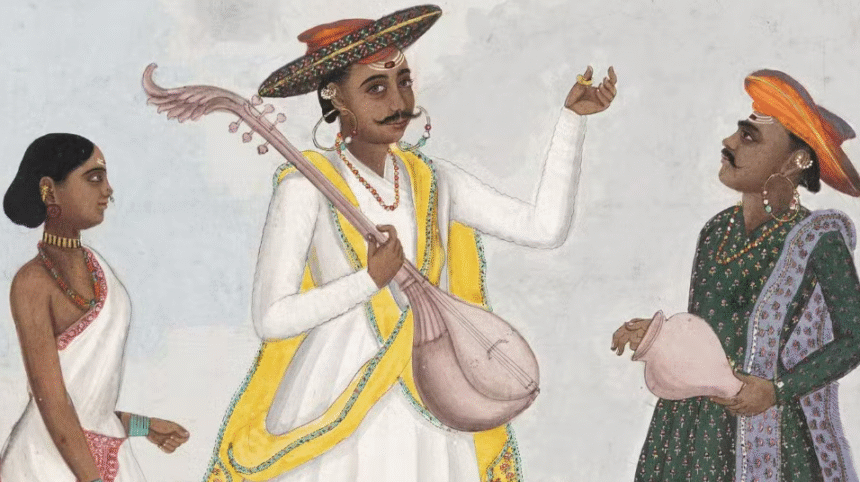
- Company Paintings commissioned by British officials, capturing daily life in 19th-century India
- Handwritten letters between Indian nationalists and British administrators
- Monumental silverware and textiles produced for export and imperial use
- Personal belongings of key freedom fighters, including Mahatma Gandhi’s walking stick
Each artifact is accompanied by immersive digital displays and narratives in Hindi, English, and several regional languages.
Daily Lives and Silent Resistance
One section of “Echoes of Empire” focuses on the effects of colonial rule on everyday Indians, particularly artisans, laborers, and women. Photographs and household items detail the economic and social shifts experienced by millions. Textiles—such as khadi fabric—are displayed as symbols of nonviolent resistance that fueled the Swadeshi movement.
“Indian artisans found both new markets and adversity during the colonial age,” noted Prof. Alan D’Souza, author of Art Under Empire. “Their creative responses—blending indigenous and foreign motifs—helped shape a unique cultural vocabulary that lives on.”
Contested Legacies and Contemporary Responses
The exhibition also tackles controversy, challenging viewers to examine the legacy and ongoing debates about colonial-era artifacts. Some objects, the curators note, are on loan from British collections, raising questions about the rightful ownership and repatriation of cultural treasures.
In satellite events, artists and historians gather for roundtables on decolonizing art spaces and the enduring impact of colonialism on India’s identity. “Museums are places for difficult conversations as much as for celebration,” said Dr. Banerjee.
Public Response and Educational Outreach
Since its opening, the exhibition has attracted large crowds, including school groups, scholars, and tourists eager to engage with India’s layered history. The museum is offering guided tours, interactive workshops, and a dedicated online portal featuring high-resolution images and videos of select artifacts.
“We believe this exhibition will spark new interest in India’s colonial history, especially among younger generations,” said Shalini Mehta, Head of Education at the National Museum. “It’s our responsibility to preserve the past, but also to encourage dialogue about whose stories are told and how.”
International Significance and Future Plans
The launch of “Echoes of Empire” comes amid global conversations about the restitution of colonial artifacts and the reinterpretation of imperial histories in museums. The National Museum’s initiative has been praised by international peers for its transparency, inclusiveness, and commitment to public engagement.
Organizers say plans are underway to take select pieces from the exhibition on an international tour, strengthening cultural exchange and dialogue about shared—and contested—histories.