Indus Treaty Suspended, Diplomats Expelled: India’s Toughest Stand Yet Against Pakistan
India Hits Back at Pakistan After Pahalgam Terror Attack: Account Suspended, Diplomats Expelled, Treaties Paused
What Triggered This Sudden Escalation?
On April 23, 2025, a deadly terror attack in Pahalgam, Jammu and Kashmir left 26 people dead, including 25 Indian citizens and one Nepali national. India has blamed Pakistan for supporting the cross-border terrorism that led to the tragedy—and is now hitting back with unprecedented diplomatic and strategic measures.
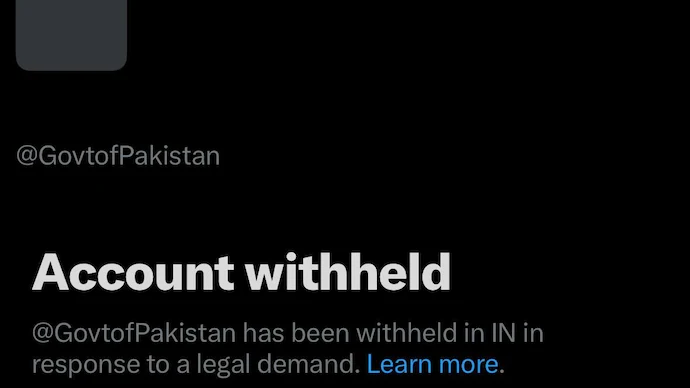
In a clear sign of escalating tensions, the official X (formerly Twitter) account of the Pakistan Government has been withheld in India, making it inaccessible to Indian users.
India’s Swift and Strong Response
Cabinet Committee on Security (CCS) Steps In
Within 24 hours of the attack, the Cabinet Committee on Security (CCS), chaired by Prime Minister Narendra Modi, held an emergency meeting. Key attendees included:
-
External Affairs Minister S. Jaishankar
-
Defence Minister Rajnath Singh
-
Home Minister Amit Shah
-
National Security Advisor Ajit Doval
The high-level group resolved to take firm and comprehensive action against Pakistan.
Official X Account of Pakistan Withheld in India
What Happened?
As part of the retaliation, India directed the suspension of Pakistan’s official X (formerly Twitter) account within Indian territory. Users in India now receive a message saying the account is “withheld in your country” when they try to access it.
This digital blackout is symbolic of the diplomatic freeze now unfolding between the two nations.
Indus Waters Treaty Suspended
What Is the Treaty?
The Indus Waters Treaty, signed in 1960 between India and Pakistan with World Bank mediation, governs the sharing of six rivers. Despite decades of conflict, the treaty had survived—until now.
India’s Decision
India has suspended the treaty, calling it “in abeyance” until Pakistan “credibly and irreversibly” stops supporting terrorism. This is the most serious action taken against the treaty in its 65-year history.
Diplomatic Expulsions: A Major Downgrade
What’s Changing?
India has downgraded its diplomatic engagement with Pakistan drastically:
-
Both nations will reduce embassy staff from 55 to 30 by May 1.
-
India has expelled all Pakistani military advisors (defence, naval, and air) from New Delhi.
-
These advisors have been declared persona non grata and must leave within a week.
-
In response, India will withdraw its own military advisors from Islamabad.
-
Five additional staff supporting these advisors will also be recalled from both countries.
This is one of the most severe diplomatic cutbacks between the two nations in decades.
SAARC Visa Scheme Cancelled for Pakistanis
India has suspended the SAARC Visa Exemption Scheme for Pakistani citizens. Under this program, selected professionals and officials could travel visa-free between South Asian countries.
What Does It Mean?
-
All existing visas issued to Pakistani nationals under this scheme are now cancelled.
-
No new visas will be issued under this exemption for Pakistanis.
Attari Border Check Post Closed
India Seals Its Only Active Land Border with Pakistan
India has ordered the closure of the Integrated Check Post (ICP) at Attari, the only active land crossing between the two nations.
-
Pakistanis already in India through this post may return home before May 1.
-
After that, the land route will be completely shut down, further limiting cross-border movement.
India’s Message to Pakistan: Zero Tolerance
What Indian Leaders Are Saying
Defence Minister Rajnath Singh stated that the Pahalgam attackers would receive a “befitting reply.” He also emphasized that India will pursue the masterminds and those “conspiring behind the scenes.”
Foreign Secretary Vikram Misri, during his press briefing, outlined each of the actions being taken and made it clear that India is demanding accountability—not just condemnation—from Pakistan.
Background: Why Pahalgam Was a Red Line
The attack in Pahalgam is one of the deadliest terror strikes in recent years in the Kashmir Valley. It targeted civilians, making it particularly horrifying.
India has long accused Pakistan of harboring terrorist groups and allowing them to operate freely across the border. Though Pakistan has routinely denied these allegations, India’s patience appears to have run out.
Summary of India’s Retaliatory Actions
| Action | Description |
|---|---|
| Suspension of Indus Waters Treaty | Historic treaty halted until Pakistan stops terrorism |
| Expulsion of Defence Advisors | Military attachés sent back within a week |
| Staff Cut in Embassies | Down from 55 to 30 in both countries by May 1 |
| SAARC Visa Scheme Cancelled | All Pakistanis’ visa exemptions revoked |
| Attari Check Post Closure | Final return deadline for Pakistanis: May 1 |
| Pakistan’s X Account Withheld | Digital blackout of Pakistan’s official voice in India |
What Happens Next?
Tensions between India and Pakistan are likely to remain high in the coming weeks. With diplomatic ties now deeply strained, further economic or military steps could follow—depending on how Pakistan responds.
India has made it clear: no more tolerance for terrorism. Every move now will be closely watched both domestically and globally.
India’s retaliation after the Pahalgam terror attack has been sweeping and strategic—from suspending diplomatic ties to revoking water-sharing agreements. These are not just symbolic steps; they represent a clear shift in India’s foreign policy approach.
As the dust settles, one thing is certain: India is no longer playing soft diplomacy when it comes to terrorism from across the border.