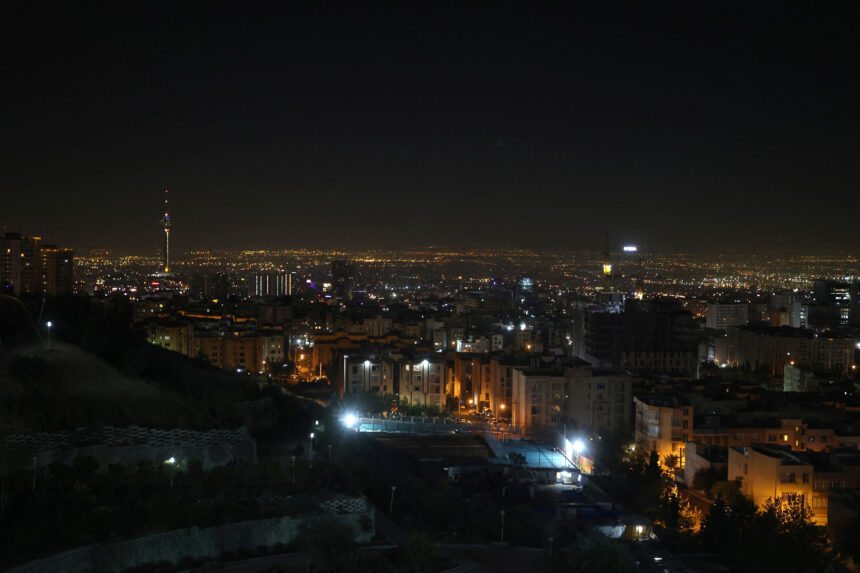
Tensions between Israel and Iran reached a new high over the weekend as Israel conducted air strikes against military targets in Iran, leading to the reported deaths of two Iranian soldiers. This escalation follows months of hostilities and retaliatory threats between the two nations, heightening fears of a broader conflict in the Middle East.
Israel Strikes Back
In the early hours of Saturday, Israel’s military launched “precise strikes” targeting missile manufacturing facilities and military installations across Iran. This response was reportedly in retaliation for a significant missile barrage from Iran earlier this month, which had already strained relations further. The Israeli military stated that these air strikes were necessary to counter ongoing threats from Tehran.
The strikes, which hit various locations including Tehran province, were confirmed by Iran’s state television. Although the Iranian military acknowledged the attack and reported casualties, they described the damage as “limited.” The situation remains tense, with Iran warning that it would respond to any further aggression.
Iranian Casualties
According to Iran’s official reports, two soldiers were killed in the air strikes. The Iranian military indicated that their air defense systems were activated during the Israeli attacks, and several explosions were heard around the capital, suggesting some level of interception. However, specifics about the success of these defensive measures remain unclear.
International Reactions
The international community is closely monitoring these developments. British Prime Minister Keir Starmer, speaking from Samoa during a Commonwealth summit, emphasized the need for restraint on all sides. He acknowledged Israel’s right to defend itself but cautioned against further escalation, urging Iran not to respond to the Israeli strikes.
Saudi Arabia also condemned Israel’s actions, expressing concerns over the potential for increased conflict in the region. The Saudi foreign ministry released a statement condemning the strikes and urging for stability and security across the Middle East.
Ongoing Regional Conflict
This incident is part of a larger pattern of conflict in the region. Israel is currently engaged in combat on multiple fronts, including ongoing hostilities with Hezbollah in Lebanon and Hamas militants in Gaza. Both conflicts have already drawn significant international attention and concern for the humanitarian impact on civilians.
In recent weeks, the United Nations has warned that the situation in Gaza represents a “darkest moment” in the ongoing conflict, further complicating efforts for peace and stability in the region.
Drone Incursions
Adding to the tension, the Israeli military reported intercepting a drone that crossed into its territory from Lebanon shortly after the air strikes on Iran. This incident underscores the precarious security situation in the region and highlights the potential for further escalations involving neighboring countries.
Conclusion
As the situation unfolds, the implications of these air strikes extend beyond the immediate military impact. The ongoing tensions between Israel and Iran, compounded by international reactions and regional conflicts, create a complex landscape that could lead to further confrontations. The call for restraint from global leaders emphasizes the urgent need for diplomatic solutions to prevent a wider war in the Middle East.