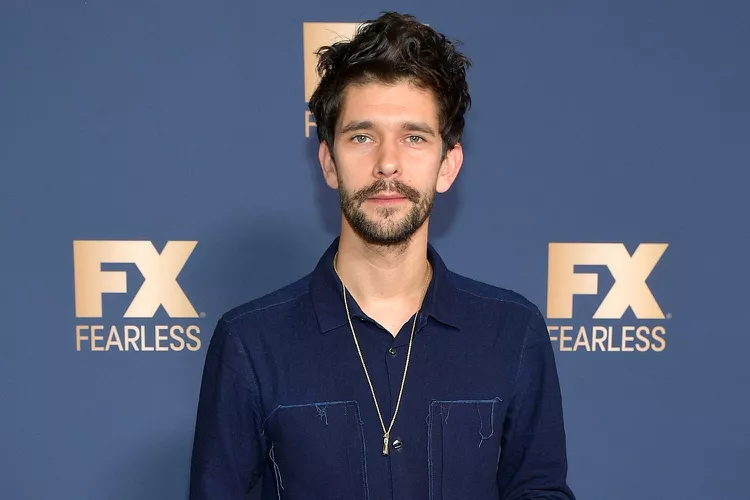
In a recent interview, acclaimed actor Ben Whishaw shared his candid reflections on the challenges of being openly gay in the early 2000s, a time when societal attitudes and the entertainment industry’s perspective were markedly different from today. Whishaw’s remarks shed light on the significant progress made since then while also addressing the ongoing issues that remain in the industry.
Challenges of Being Gay in the Early 2000s
Ben Whishaw, known for his roles in films such as “Perfume: The Story of a Murderer” and the “James Bond” series, discussed the difficulties he faced as a gay actor during the early 2000s. Whishaw described the environment of that time as one where being gay was often stigmatized and perceived negatively, likening it to being viewed as a “disability.”
In his interview, Whishaw reflected on how this perception affected his career and personal life. The societal and industry norms of that era made it challenging for LGBTQ+ actors to navigate their careers and personal identities without facing prejudice or discrimination. Whishaw’s remarks highlight the broader context of the struggles faced by many LGBTQ+ individuals in the entertainment industry during that period.
Evolving Attitudes and Progress
Despite the challenges, Whishaw acknowledged the progress that has been made since the early 2000s. The entertainment industry has seen significant shifts in attitudes towards LGBTQ+ individuals, with greater acceptance and representation becoming more prevalent in recent years.
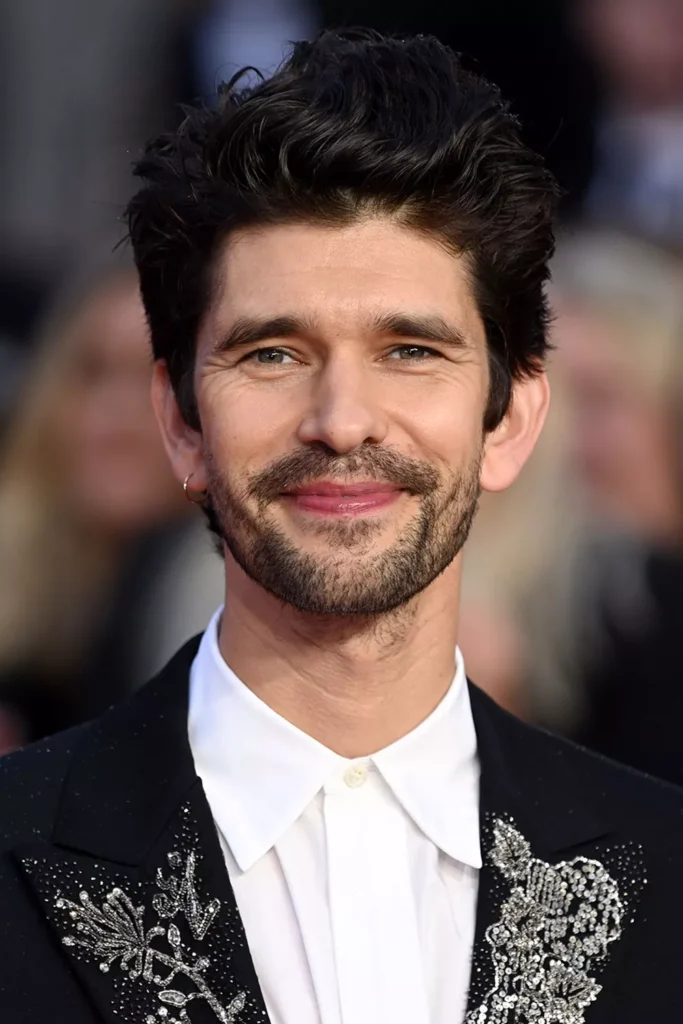
Whishaw’s reflections come at a time when the industry continues to evolve, with increasing visibility for LGBTQ+ actors and characters. The progress made has helped create a more inclusive and supportive environment for actors of all orientations, although Whishaw’s comments remind us that there is still work to be done.
The Debate Over Visibility and Advocacy
During the interview, Whishaw also touched on the ongoing debate about visibility and advocacy within the entertainment industry. He suggested that actors, particularly those in the public eye, should avoid making a “big thing” about their sexuality and focus instead on their work and personal growth.
Whishaw’s perspective reflects a complex view of visibility, where the emphasis is placed on achieving equality and representation without turning it into a spectacle. His comments highlight the balance between advocating for LGBTQ+ rights and maintaining a focus on professional achievements and personal integrity.
Impact on the Entertainment Industry
Whishaw’s insights provide a valuable perspective on the evolving nature of the entertainment industry. His experiences from the early 2000s serve as a reminder of the barriers faced by LGBTQ+ actors and the importance of continued progress towards inclusivity.
The industry’s shift towards greater acceptance and representation is crucial for creating a more equitable environment for all actors. Whishaw’s reflections contribute to an ongoing dialogue about how far the industry has come and the steps still needed to achieve full equality and respect for LGBTQ+ individuals.
Looking Forward
As the entertainment industry continues to evolve, the experiences and insights shared by actors like Ben Whishaw play a vital role in shaping the future. Whishaw’s reflections on being gay in the early 2000s and his views on visibility and advocacy offer important lessons for both the industry and its audiences.
The ongoing efforts to promote inclusivity and representation are essential for creating a supportive environment for all actors. Whishaw’s candid remarks remind us of the progress made and the work still needed to ensure that all individuals, regardless of their sexual orientation, can thrive in the entertainment industry.
Ben Whishaw’s recent comments about being gay in the early 2000s provide a poignant reminder of the challenges faced by LGBTQ+ actors during that era. His reflections on the perception of being gay as a “disability” and the need for actors to balance visibility with professionalism offer valuable insights into the evolving landscape of the entertainment industry. As the industry continues to progress, Whishaw’s experiences and views contribute to the ongoing dialogue about inclusivity and representation.