The 50 Casting Controversy: YouTuber’s Claims Spark Debate Over Reality Show Selection Process
The reality show The 50 has quickly gained attention since its premiere on February 1, thanks to its mix of drama, celebrity contestants and intense competition. However, the show is now facing fresh scrutiny after a YouTuber claimed the casting process may have involved contestants recommending their friends. The remarks have triggered strong reactions online, especially on Reddit, where viewers are debating whether the casting system is fair.
While reality TV has always sparked curiosity about how contestants are selected, these recent claims have added a new layer of discussion around transparency, networking and opportunities within the entertainment industry.
What the YouTuber revealed about casting
Digital creator Shreya Kalra recently spoke about the show during a conversation with Vanshaj Singh, who became the first contestant eliminated from The 50. According to her, the production team had approached her about participating in the show.
She said she was told she could suggest friends to join the show, but would need to share their names beforehand so the casting team could decide whether they fit the show’s requirements. Her comments hinted that some contestants might have entered the show through recommendations rather than traditional auditions.
During the discussion, Vanshaj agreed with the possibility, suggesting that industry connections could play a role in who ultimately gets selected.
These remarks quickly spread across social media, sparking discussions among viewers who were already curious about how contestants were chosen.
Reddit reactions and online criticism
After the clip circulated online, Reddit users began sharing strong opinions about the alleged casting method. Several comments criticised what they perceived as a referral-style system.
Some users compared it to a group insurance scheme, implying that contestants may have gained entry through networks rather than merit alone. Others likened it to multi-level marketing or referral recruitment processes.
A few viewers expressed frustration at seeing unfamiliar faces on the show, suggesting that personal recommendations might explain their presence. However, it’s important to note that these remain viewer opinions and have not been confirmed by the show’s producers.
The online debate reflects a broader conversation about fairness and transparency in reality television casting.
Why reality show casting often raises questions
Reality TV shows frequently face questions about how contestants are selected. While producers typically look for strong personalities, diverse backgrounds and entertainment value, the process often remains confidential.
Networking is common in entertainment industries worldwide. Contestants who have prior connections, previous show experience or industry exposure may naturally have better access to opportunities.
This does not necessarily mean casting is unfair, but it can create perceptions that opportunities are unevenly distributed.
Shows also aim to maintain viewer engagement. Familiar faces from other popular programs can help attract audiences, which may influence casting decisions.
About The 50 and its format
The 50 combines elements from multiple reality television formats. Contestants include actors, social media influencers and familiar faces from earlier reality shows such as Bigg Boss, Roadies and Splitsvilla.
Participants reportedly live together in a grand palace-like setting that features multiple arenas for challenges. Each day involves tasks that determine safety from elimination, adding constant pressure and competition.
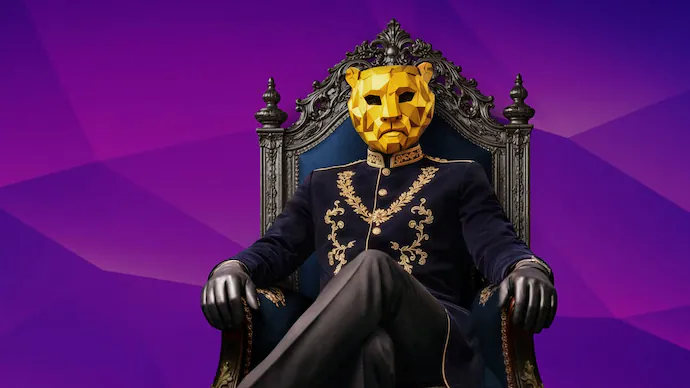
A mysterious character known as The Lion oversees the proceedings, giving the show a distinctive narrative style intended to differentiate it from typical reality TV formats.
The show airs on Colors TV and is also available for streaming on JioHotstar, helping it reach both traditional television audiences and digital viewers.
Mix of contestants shaping the show
The participant lineup reflects a blend of television actors, reality show veterans and digital creators. Some well-known names include Karan Patel, Ridhhi Dogra, Prince Narula and Urvashi Dholakia.
There are also social media influencers such as Faisu Shaikh, Adnan Shaikh, Lovekesh Kataria and Maxtern, along with reality TV regulars like Nikki Tamboli, Rajat Dalal, Siwet Tomar and Hamid Barkzi.
This diverse mix is designed to attract different audience groups, from traditional TV viewers to younger digital audiences.
Such cross-platform casting has become increasingly common in Indian entertainment as digital creators gain mainstream popularity.
The impact of casting controversies on reality shows
Casting controversies are not new to reality television. Many shows have faced criticism over alleged favoritism, scripted moments or unclear selection criteria.
These debates often increase visibility for the show. While criticism can damage credibility, it can also drive curiosity and viewership.
For The 50, the current discussion may influence how audiences perceive authenticity. Producers may eventually address concerns if public debate continues.
Transparency can help build trust, but maintaining mystery can also be part of reality TV’s appeal.
What viewers really want from reality TV
Audience interest in reality shows usually centers on entertainment value rather than casting details alone. Drama, competition, emotional stories and celebrity presence often keep viewers engaged.
However, fairness and relatability remain important. When audiences believe contestants earned their place, they may feel more invested in the outcomes.
This balance between entertainment and authenticity is something every reality show must navigate.
Looking ahead for The 50
Despite the controversy, The 50 continues to generate buzz. The show’s mix of personalities, competitive format and ongoing drama keeps audiences talking.
Whether the casting debate will impact long-term popularity remains uncertain. Much will depend on how the show evolves and whether producers clarify the selection process.
For now, the conversation highlights how deeply audiences engage with reality television, not just as viewers but as active participants in online discussions.